
Ultimate Guide to Forex Trading: Strategies and Tips for Beginners
Forex trading, or foreign exchange trading, has become one of the most popular financial markets to participate in. Whether you are a beginner or looking to refine your skills, understanding the fundamentals is essential. This tutorial will walk you through the basics of forex trading, introduce necessary terminology, discuss effective strategies, and provide resources for further education, including the best forex trading tutorial Uzbekistan Brokers available in the market.
What is Forex Trading?
Forex trading involves buying and selling currencies with the goal of making a profit. The forex market is decentralized and operates 24 hours a day, five days a week, with a daily trading volume exceeding $6 trillion. Traders can participate in this market using various strategies and techniques to capitalize on currency fluctuations.
Getting Started with Forex Trading
Starting in forex requires a few essential steps:
- Educate Yourself: Knowledge is power in the forex market. Take time to understand how the market operates, including key concepts like pips, lots, and leverage.
- Choose a Reputable Broker: Selecting a trustworthy broker is crucial. Look for brokers regulated by reputable authorities and those that offer trading platforms meeting your needs.
- Open a Trading Account: After choosing a broker, you’ll need to set up a trading account. Many brokers offer demo accounts where you can practice trading without risking real money.

Key Terminology in Forex Trading
Familiarizing yourself with the jargon used in forex can help you make better trading decisions. Here are some key terms:
- Currency Pair: In forex, currencies are trading in pairs (e.g., EUR/USD). The first currency is the base currency, and the second is the quote currency.
- Pip: A pip (percentage in point) is the smallest price movement that a given exchange rate can make. For most currency pairs, this is typically the fourth decimal place.
- Leverage: This allows you to control a larger position with a smaller amount of capital. While it can amplify gains, it also increases potential losses.
Developing a Trading Strategy
Having a solid trading strategy is vital for longevity in the forex market. Here are some of the most common strategies:
- Scalping: This strategy involves making multiple trades throughout the day to capture small price movements.
- Day Trading: Day traders typically open and close their positions within the same day, avoiding overnight market risks.
- Swing Trading: Swing traders hold positions for several days or weeks, hoping to profit from expected price movements.
Risk Management in Forex Trading
Successful traders know the importance of managing risk effectively. Key techniques include:
- Setting Stop-Loss Orders: A stop-loss order helps protect your trades by automatically closing a position at a predetermined price level.
- Diversifying Your Portfolio: Don’t put all your capital into one currency pair. Diversifying can help mitigate risks.
- Using Proper Position Sizing: Determine how much of your account you are willing to risk per trade and adjust your position size accordingly.
Utilizing Technical Analysis
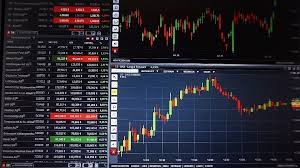
Technical analysis involves analyzing price charts and market data to make trading decisions. Key tools include:
- Chart Patterns: Recognizing patterns like head and shoulders, triangles, and flags can provide insights into future price movements.
- Indicators: Indicators like Moving Averages, RSI, and MACD help traders identify trends and potential reversal points.
- Support and Resistance Levels: Understanding these levels can guide entry and exit points for trades.
Staying Informed: News and Market Sentiment
The forex market is heavily influenced by global events and economic indicators. Staying informed about major economic news, central bank policies, and geopolitical events can give you an edge in your trading. Use economic calendars to track important announcements that may impact currency prices.
Continuously Learning and Adapting
Forex trading is a dynamic field, and continuous learning is essential. Enroll in forex courses, read books, and engage with online trading communities. Also, keep a trading journal to track your progress, analyze trades, and refine your strategies.
Conclusion
Forex trading can be rewarding, but it requires dedication, education, and a solid strategy. By understanding the basics outlined in this tutorial, you can start your journey in the forex market with greater confidence. Remember to choose a reputable broker and practice trading strategies in a demo account before risking real money. Success in forex trading comes from a combination of knowledge, experience, and adaptability.